Road geotechnics forms the critical foundation of every successful transportation infrastructure project in Denver, Colorado. This specialized discipline bridges the gap between natural earth materials and engineered pavement systems, ensuring that roads withstand not only daily traffic loads but also the region's unique environmental challenges. From the expansive clay soils of the Front Range to the freeze-thaw cycles that characterize Rocky Mountain winters, Denver's geological conditions demand a thorough understanding of subgrade behavior, drainage management, and material selection. The integration of geotechnical investigation with pavement design protects public investment by preventing premature failures such as rutting, cracking, and differential settlement that plague poorly conceived roadways.
Denver's location atop the Denver Basin presents engineers with a complex tapestry of geological formations that directly influence road performance. The region's predominant soils include expansive bentonitic clays of the Pierre Shale formation, which can swell dramatically with moisture changes and exert pressures capable of lifting even heavily reinforced pavements. Additionally, areas near the South Platte River corridor feature alluvial deposits with high groundwater tables that challenge conventional drainage solutions. The city's elevation at 5,280 feet exposes roadways to intense ultraviolet radiation that accelerates asphalt oxidation, while annual freeze-thaw cycles exceeding 100 days per year create frost heave conditions rarely encountered in lower-altitude municipalities. These factors make a comprehensive CBR study for road design indispensable for predicting subgrade performance under local conditions.
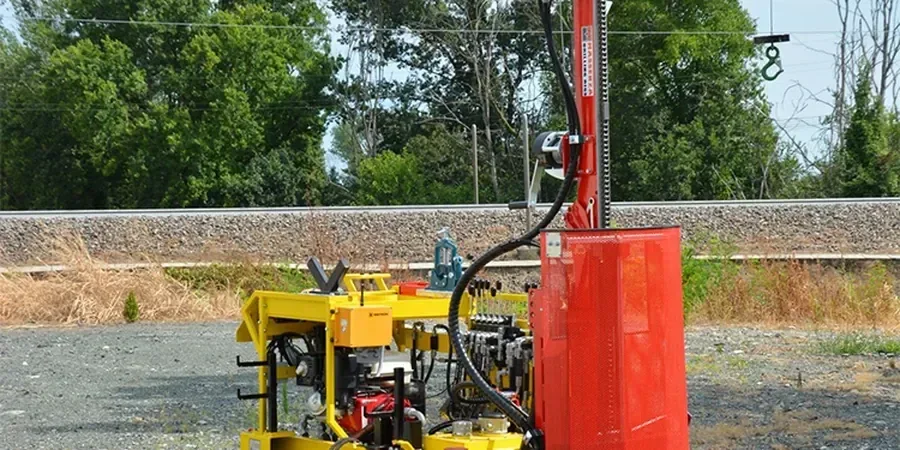
Colorado's Department of Transportation (CDOT) governs road geotechnics through a robust framework of specifications that all projects within Denver must follow. The CDOT Standard Specifications for Road and Bridge Construction, alongside the CDOT Field Materials Manual, establish minimum requirements for soil investigation depth, compaction standards typically targeting 95% of modified Proctor density, and pavement thickness design methodologies. Crucially, CDOT mandates that all flexible and rigid pavement designs incorporate site-specific geotechnical parameters rather than default assumptions. The Colorado Geological Survey provides supplementary mapping of swelling soil hazards that designers must consult during the planning phase. These regulations align with AASHTO guidelines while addressing the state's distinctive geohazards, ensuring that Denver's roadways meet both national standards and local performance demands.
The types of projects requiring road geotechnics expertise span the full spectrum of Denver's built environment. Municipal arterial expansions in growing suburbs like Aurora and Lakewood demand rigorous subgrade stabilization before flexible pavement design can proceed, particularly where roadway alignments cross former agricultural lands with compressible organic soils. Urban redevelopment projects in neighborhoods such as RiNo and LoDo frequently encounter undocumented fill materials and abandoned utilities that require geotechnical forensic investigation. The Denver International Airport corridor presents unique challenges with its deep wind-deposited loess soils, while mountain access routes like I-70 through the foothills must account for rockfall hazards and slope stability concerns. For concrete applications, rigid pavement design demands precise modulus of subgrade reaction values derived from plate load tests rather than empirical correlations, especially in industrial zones where heavy truck traffic predominates.
Common questions
Why is road geotechnics particularly important for Denver's infrastructure compared to other cities?
Denver's unique combination of expansive clay soils, high-elevation freeze-thaw cycles, and variable groundwater conditions creates subgrade challenges that milder climates do not face. The Pierre Shale formation underlying much of the metro area can swell with moisture and shrink during drought, exerting destructive forces on pavements. Without geotechnical investigation tailored to these local conditions, roads may fail within years rather than decades, making site-specific analysis essential for long-term performance.
What are the key geotechnical tests required for road projects in Denver?
CDOT specifications require soil borings with standard penetration testing, laboratory classification including Atterberg limits and gradation analysis, moisture-density relationship testing using modified Proctor methods, and California Bearing Ratio evaluation for flexible pavement design. For rigid pavements, modulus of subgrade reaction testing via plate load methods is necessary. Swell-consolidation testing on expansive soils and resistivity testing for corrosion potential are also commonly specified depending on site conditions.
How do Denver's freeze-thaw cycles affect road geotechnical design decisions?
Frost penetration depths in Denver can reach 30 inches or more, requiring subgrade preparation below this zone to prevent frost heave. Geotechnical designs must incorporate non-frost-susceptible materials in the upper subgrade, adequate drainage to prevent water accumulation that worsens freeze-thaw damage, and sometimes insulation layers. The cyclic nature of freezing and thawing also accelerates deterioration of moisture-weakened subgrades, making robust drainage and proper compaction critical mitigation measures.
When is a geotechnical investigation required for road construction in Denver?
CDOT mandates geotechnical investigations for all public roadway projects, with scope varying by project complexity. Residential street rehabilitation may require basic soil classification and compaction testing, while new arterial construction demands comprehensive subsurface exploration with laboratory testing programs. Private commercial developments with access roads connecting to public rights-of-way must also submit geotechnical reports demonstrating compliance with city and county pavement design standards before permit approval.