Geotechnical site investigation in Denver represents the critical first phase of any construction or civil engineering project, encompassing the systematic exploration and analysis of subsurface conditions to inform safe and economical design. This category covers a comprehensive suite of exploratory methods, in-situ testing, and laboratory analysis designed to characterize soil, rock, and groundwater behavior beneath a site. In a city experiencing rapid urban densification and infrastructure renewal, understanding what lies below ground level is not optional—it is a fundamental requirement to manage geological risk, ensure structural integrity, and comply with local regulations. From high-rise developments in the Central Business District to transportation corridors and residential subdivisions, a properly scoped investigation program directly influences foundation selection, earthwork specifications, and long-term performance.
Denver's unique geological setting, situated at the western edge of the High Plains and adjacent to the Front Range of the Rocky Mountains, creates a complex and often challenging subsurface profile. The region is underlain by the Denver Basin, a structural trough filled with sedimentary formations that include interbedded claystones, siltstones, and sandstones, often capped by Quaternary alluvial and colluvial deposits along stream terraces and foothills. Locally, engineers frequently encounter expansive clay soils and claystone bedrock of the Pierre Shale and Denver Formation, which are highly susceptible to volume changes with moisture fluctuation—a leading cause of foundation distress in the area. Additionally, the presence of shallow groundwater, cobble-rich ancient river deposits, and the potential for swelling bedrock require investigation programs specifically tailored to Denver's geology, moving beyond generic approaches to address local hazards like heaving, settlement, and slope instability.
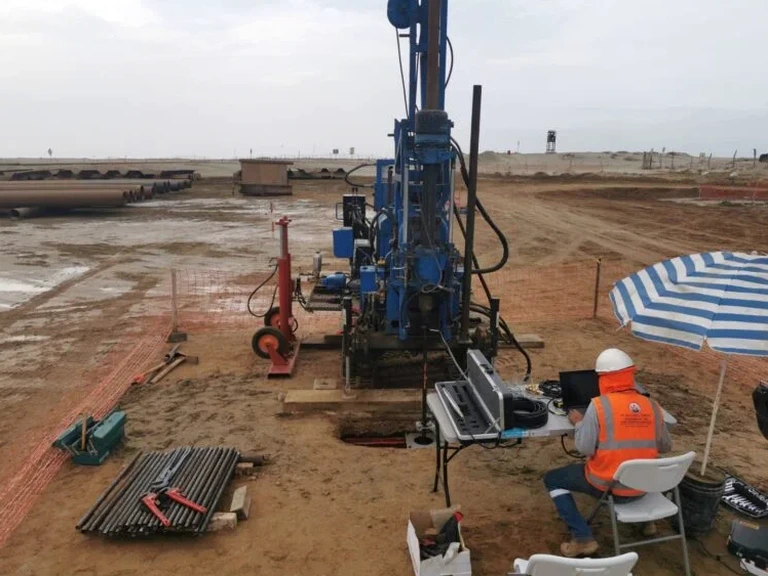
All investigation work in Denver is governed by the standards set forth in the City and County of Denver Building Code, specifically Chapter 18, which adopts and amends the International Building Code (IBC). These regulations mandate that a geotechnical investigation be conducted for all new structures and substantial alterations, with the resulting report submitted as part of the permit application. The investigation must be performed under the responsible charge of a licensed Professional Engineer in the State of Colorado, and fieldwork must conform to applicable ASTM International standards for drilling, sampling, and testing. Crucially, the code identifies specific design parameters for the local geology, including criteria for expansive soil mitigation, which often dictates specialized foundation types like drilled piers or post-tensioned slabs. Adherence to these rigorous standards is not merely bureaucratic; it is a legally enforceable framework designed to protect public safety in a region with well-documented geotechnical hazards.
The scope of an investigation is directly proportional to the complexity and risk profile of the project it supports. For signature high-rise towers in downtown Denver, deep borings extending into competent bedrock, combined with advanced in-situ testing like Cone Penetration Testing (CPT), are essential to model deep foundation behavior and assess excavation support requirements. Infrastructure projects, such as light rail expansions or bridge replacements, demand extensive exploration along linear alignments to map variable soil profiles and groundwater conditions. For residential and commercial developments on the city's expanding periphery, investigations focus heavily on the depth, plasticity, and swell potential of the near-surface claystone to prescribe appropriate foundation and drainage measures. Each project type shapes an investigation's objectives, dictating the mix of exploratory borings, test pits, geophysical surveys, and laboratory suites needed to generate actionable design recommendations.
Available services
Common questions
What is the purpose of a geotechnical investigation in Denver?
The purpose is to characterize subsurface soil, rock, and groundwater conditions to guide safe and economical design. In Denver, this process is critical for identifying expansive clays and bedrock typical of the Denver Basin, which can cause significant structural damage if not properly mitigated. The investigation provides the data required for foundation design, earthwork, and compliance with the Denver Building Code.
When is a geotechnical investigation required for a project in Denver?
A geotechnical investigation is mandated by the City and County of Denver Building Code for all new structures and substantial alterations prior to permit issuance. The requirement applies broadly across commercial, residential, and public works projects. The scope must be sufficient to address site-specific hazards like swelling soils and shallow groundwater, with a report prepared by a Colorado-licensed Professional Engineer.
What are the most common geotechnical hazards encountered in Denver?
The most prevalent hazards stem from Denver's expansive claystone and clay soils, particularly within the Pierre Shale and Denver Formation. These materials undergo significant volume changes with moisture content fluctuations, leading to foundation heave and distress. Other common hazards include compressible alluvial deposits causing settlement, shallow groundwater complicating excavations, and cobble-rich layers that pose drilling difficulties.
How deep do geotechnical borings typically go for a Denver project?
Boring depth is not standard but determined by the proposed structure's size and load. For shallow foundations on a residential site, borings might extend 15 to 30 feet to evaluate the active zone of moisture change. For a high-rise supported by deep foundations like drilled piers, borings often penetrate 50 to 100 feet or more into competent bedrock to assess end-bearing capacity and skin friction.