Foundations serve as the literal base upon which every structure in Denver stands, transferring building loads to the underlying earth while protecting against settlement, uplift, and environmental forces. In a city experiencing rapid growth and densification, from the single-family home expansions in Highlands to the mid-rise mixed-use projects reshaping RiNo and the Central Business District, a properly engineered foundation is not just a code requirement—it is a risk management imperative. The category encompasses all aspects of subsurface structural support, including shallow systems like spread footings and slab-on-grade, deep systems such as drilled piers and driven piles, retaining structures, and specialized ground improvement techniques. For Denver's architects, developers, and homeowners, understanding foundation options means balancing geotechnical realities with budget, schedule, and long-term performance expectations.
Denver's geology presents a uniquely challenging profile that directly dictates foundation selection. Much of the metropolitan area sits atop the Denver Formation, a Late Cretaceous to Paleocene sedimentary sequence characterized by interbedded claystones, siltstones, and sandstones. These claystone layers, particularly the highly expansive montmorillonitic varieties found in the Pierre Shale and Denver Basin bedrock, undergo significant volume changes with moisture fluctuation. Swell pressures can exceed 20,000 pounds per square foot, enough to lift lightly loaded slabs and footings and cause severe structural distress. In areas like Green Valley Ranch or subdivisions east of I-225, wind-deposited loess and colluvial soils add collapsible potential to the equation. Conversely, the alluvial terraces along the South Platte River and Cherry Creek corridors present variable sands and gravels with high permeability but lower bearing capacity, where scour and liquefaction become design considerations. Understanding this patchwork of subsurface conditions is why Denver mandates site-specific geotechnical investigations for virtually all commercial and multi-family projects.
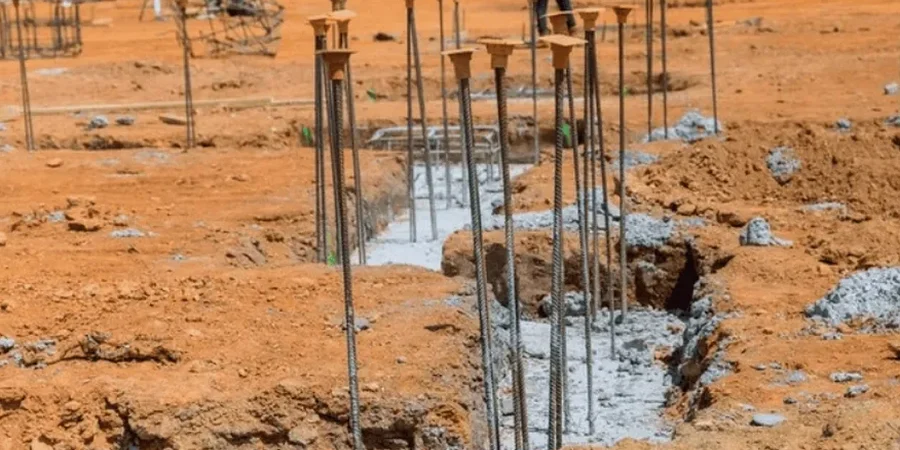
Regulatory compliance in Denver is governed by a layered framework of local amendments and international model codes. The City and County of Denver Building and Fire Code, based on the International Building Code (IBC) with Denver-specific amendments, governs foundation design through Chapter 18, which references IBC Sections 1801 through 1810. Crucially, Denver's code enforces strict requirements for foundation inspections, special inspections per IBC Chapter 17, and adherence to the Denver Geotechnical Report Guidelines. These guidelines mandate that geotechnical reports include specific recommendations for foundation type, allowable bearing pressures, lateral earth pressures, and mitigation measures for expansive or collapsible soils. For deep foundations, the city references the 2021 International Building Code provisions for driven piles, micropiles, and drilled shafts, with additional scrutiny on pile load testing and integrity assessment. The Mile High City's commitment to structural resilience is further underscored by its adoption of ASCE 7-22 for seismic considerations, even though Denver sits in a region of low to moderate seismicity, requiring foundations to accommodate lateral forces from both wind and potential ground motion.
Projects requiring comprehensive foundation engineering span Denver's diverse built environment. High-rise towers in the downtown core frequently demand deep foundation systems such as drilled piers socketed into competent bedrock, a service detailed in our pile foundation design practice, to resist high axial and lateral loads while navigating underground utilities and adjacent structures. Large-footprint warehouses and distribution centers in the Airport submarket, with heavily loaded slab-on-grade floors, require rigorous subgrade preparation and often ground improvement like rigid inclusions or aggregate piers to control differential settlement. Residential developments on the urban fringe, where expansive claystone is prevalent, typically require overexcavation and replacement with non-expansive fill, deepened footings, or post-tensioned slabs designed per PTI DC10.5 standards. Infrastructure projects, including retaining walls along I-70 expansion zones or bridge abutments for light rail extensions, rely on specialized foundation solutions that account for both static earth pressures and dynamic traffic loads. Even smaller-scale additions and ADUs in established neighborhoods like Washington Park trigger the need for foundation evaluations to ensure compatibility with existing structures and avoidance of differential movement.
Available services
Common questions
What are the most common types of foundations used in Denver and what drives that choice?
In Denver, foundation selection is driven primarily by expansive soil conditions and structural loads. Shallow foundations like spread footings and stiffened slabs-on-grade dominate single-family residential work, often with overexcavation or moisture conditioning. For commercial and mid-rise structures on the Denver Formation claystone, drilled piers socketed into bedrock are common. Driven piles see less use due to refusal risk in shallow bedrock, while micropiles and helical piers serve retrofit and limited-access sites.
How do Denver's expansive soils affect foundation design and what mitigation strategies are typical?
Expansive claystone and shale in the Denver Basin can swell enough to crack slabs and displace footings. Typical mitigation includes overexcavating and replacing native soil with non-expansive structural fill, deepening footings below the active zone, installing post-tensioned slabs, and implementing positive site drainage. Moisture stabilization through perimeter irrigation control and gutter systems is also critical to maintaining consistent soil moisture and minimizing differential movement.
What building code governs foundation design in Denver and what geotechnical investigation requirements exist?
Foundation design in Denver falls under the Denver Building and Fire Code, which amends the International Building Code. Chapter 18 of the IBC governs foundations, and Denver mandates a site-specific geotechnical investigation for most commercial and multi-family projects. The report must address soil classification, bearing capacity, expansive potential, groundwater, and carry out specific foundation recommendations. Special inspections during construction are required to verify compliance with the approved plans and geotechnical report.
When is a deep foundation system like piles or drilled piers required instead of a shallow footing?
Deep foundations become necessary when shallow bearing soils are inadequate due to low strength, high compressibility, or excessive expansive potential. In Denver, drilled piers are frequently specified for structures over three stories, when bedrock is within reasonable depth, or when uplift from expansive soils or wind governs. Pile foundations also suit sites with high scour potential near waterways, or where existing infrastructure limits shallow excavation.