In Denver's rapidly expanding urban landscape, excavations represent far more than simply moving earth—they are complex geotechnical undertakings that demand precision, foresight, and rigorous safety protocols. This category encompasses the full spectrum of subsurface work required to prepare a site for construction, from initial site characterization and shoring design through to monitoring and final backfill. Whether for high-rise foundations, underground parking structures, or utility tunnels, excavations in the Denver metropolitan area must contend with unique geological challenges and strict regulatory frameworks. The importance of professional excavation operations cannot be overstated, as failures during this phase can lead to costly delays, structural instability, or even catastrophic collapse.
Denver's geology presents a distinctive set of conditions that directly influence excavation strategy. The region sits atop the Denver Basin, characterized by interbedded sedimentary formations including expansive claystone, siltstone, and sandstone layers. Near the surface, much of the city is underlain by the Pierre Shale and Denver Formation, both of which are notorious for their swelling potential when exposed to moisture. These expansive soils can exert significant lateral pressures on shoring systems and cause heave at the base of deep cuts. Additionally, the presence of groundwater in alluvial deposits along the South Platte River corridor introduces dewatering challenges that must be addressed during any substantial excavation. For projects involving tunneling through these soft ground conditions, specialized geotechnical analysis for soft soil tunnels becomes essential to predict settlement and ensure face stability.
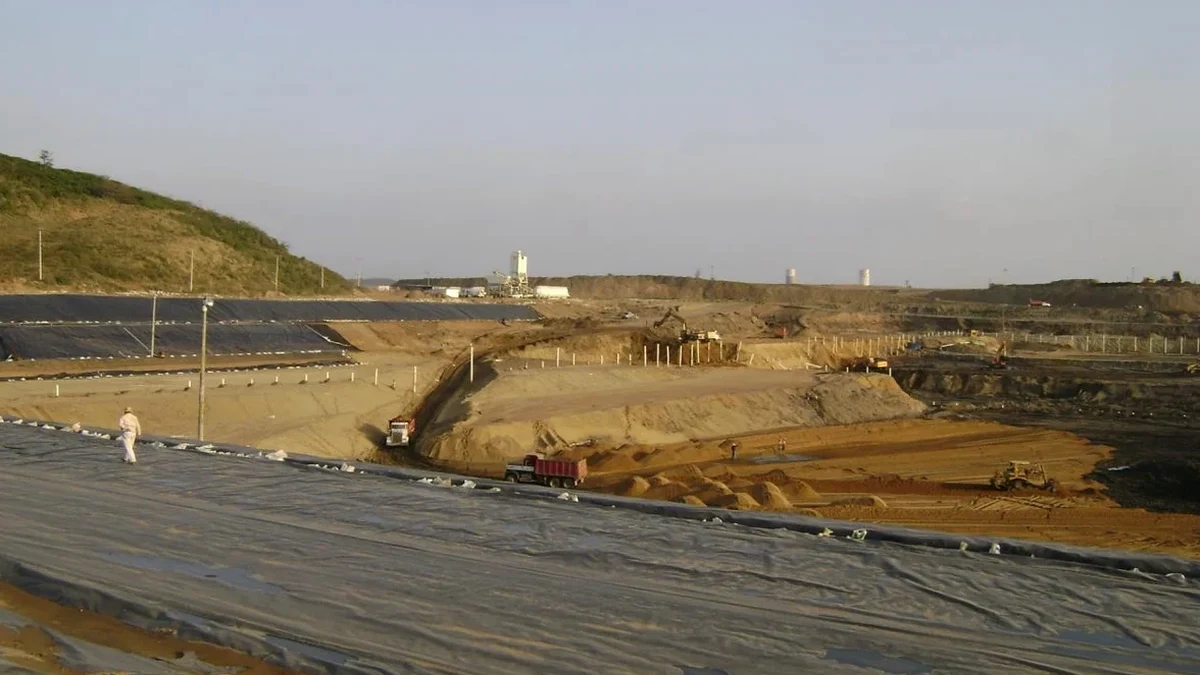
Regulatory compliance in Denver operates under a layered system of local and national standards. The City and County of Denver adopts the International Building Code (IBC) with local amendments, specifically Chapter 33 which governs excavations and grading. All excavations deeper than five feet require a competent person to inspect the site daily, while cuts exceeding twenty feet demand engineered shoring plans stamped by a licensed Colorado professional engineer. OSHA's Subpart P of 29 CFR Part 1926 sets federal requirements for protective systems, including sloping, benching, and trench boxes. Denver's Building Department also enforces strict right-of-way excavation permits and requires pre-construction notification to utility locates via the 811 system. For deep urban excavations adjacent to existing structures, a geotechnical design of deep excavations must incorporate lateral support systems that meet both strength and displacement criteria.
The types of projects requiring professional excavation operations in Denver span multiple sectors. Infrastructure developments such as light rail expansions and stormwater detention vaults often involve large open-cut excavations through variable strata. Commercial construction in the dense downtown core frequently necessitates deep basements and subterranean parking levels, where top-down construction methods and secant pile walls are employed to minimize disturbance to neighboring buildings. Residential hillside developments in areas like Green Valley Ranch or Reunion demand cut-and-fill operations that carefully manage slope stability and erosion control. Throughout all these applications, geotechnical excavation monitoring provides real-time data on wall deflections, ground settlement, and vibration levels to safeguard both workers and the public. Each project type demands a tailored approach that balances cost efficiency with the inherent risks of Denver's subsurface environment.
Common questions
What are the main geotechnical risks associated with excavations in Denver?
The primary risks include slope instability in expansive Pierre Shale and Denver Formation soils, which can swell upon moisture exposure and exert unexpected pressures on shoring systems. Groundwater inflows in alluvial deposits near the South Platte River pose dewatering and base heave concerns. Additionally, collapse of unshored trenches in loose fill materials and settlement damage to adjacent structures are critical hazards that require continuous monitoring and engineered protective systems.
When is a geotechnical investigation required before starting an excavation in Denver?
A geotechnical investigation is mandatory for any excavation that requires engineered shoring, typically those deeper than twenty feet per Denver building code, or any project adjacent to existing structures. It is strongly recommended for all excavations over five feet to characterize soil stratigraphy, groundwater levels, and engineering properties. The investigation informs shoring design, dewatering needs, and predicts ground movements, forming the basis for a safe and compliant excavation plan.
What permits are needed for excavation work within the City and County of Denver?
Excavation permits are required for any work within public rights-of-way, obtained through the Denver Department of Transportation and Infrastructure. For private property, a grading permit is necessary if earthwork exceeds certain thresholds of cut or fill volume. All excavations must comply with the IBC Chapter 33 as amended locally, and a shoring plan review is required for deep cuts. Utility locates via 811 are mandatory before any digging commences.
How does Denver's expansive soil affect the design of excavation support systems?
Expansive soils like the Pierre Shale can increase lateral earth pressures on retaining walls when they absorb water, potentially exceeding at-rest conditions. Designers must account for swell pressures in addition to traditional active and passive forces. This often necessitates stiffer shoring solutions such as soldier pile and lagging walls with post-tensioned anchors, or secant pile walls that limit deflections and prevent moisture migration into the excavation face.